
 518-373-4111
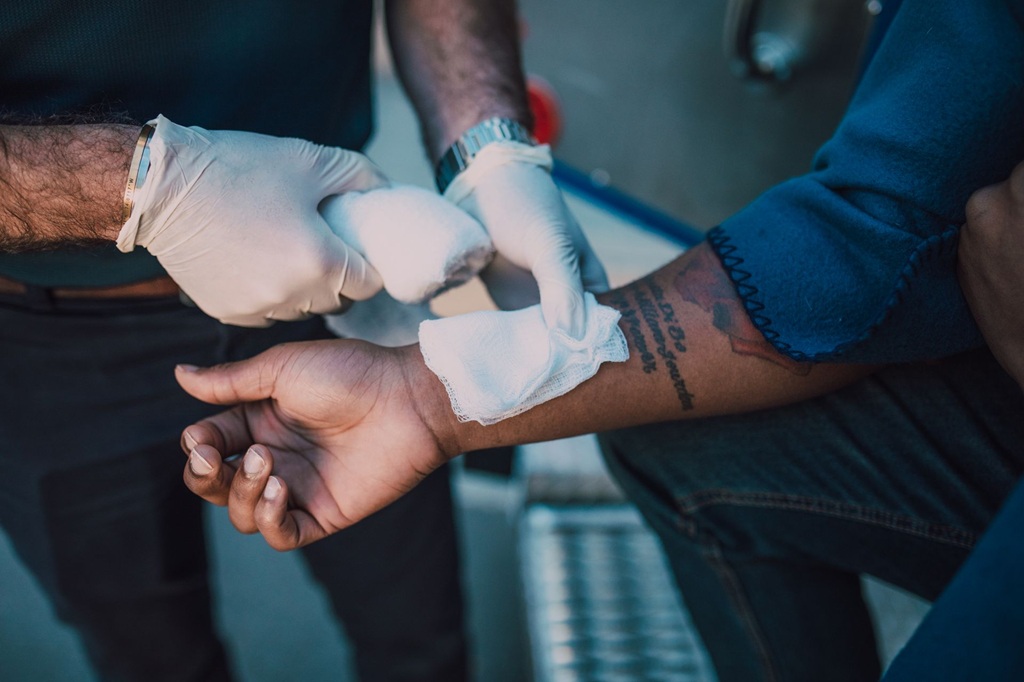
While starting a new job can be exciting, it also comes with additional safety risks. Multiple studies show that employees are up to six times more likely to experience a workplace injury in their first 30 days on the job, with 1 in 8 injuries occurring on the first day. This is largely due to a lack of experience and familiarity with the work environment, incomplete training, and a reluctance to ask questions. Fortunately, there are steps your employees can take to protect themselves and avoid potential injuries when starting a new position.
Here are five of the most common new-hire safety hazards, along with tips to mitigate them.
1. Slips, Trips, and Falls
Although slips, trips, and falls are the leading cause of injuries for employees across industry lines, your employees may be especially at risk as new hires due to limited knowledge of workplace layouts and high-risk areas (e.g., wet floors, unstable walking surfaces, and changes in elevation).
2. Overexertion and Musculoskeletal Injuries
These injuries often stem from improper lifting techniques, poor ergonomics, or repetitive motions. As a new hire, you may be more likely to experience overexertion and musculoskeletal injuries in an effort to prove your capabilities and avoid asking for help, even when you are pushing yourself too hard.
3. Struck-by Incidents
Such incidents usually occur due to collisions with moving vehicles, equipment, or fallen materials. They can lead to serious injuries, including concussions and broken bones. Your employees may be increasingly prone to these incidents when starting a new job due to a lack of situational awareness and hazard recognition.
4. Caught-in or -between Hazards
These hazards generally involve getting one or more body parts caught in machinery or otherwise compressed between two objects. They can cause severe bodily trauma and, in some cases, death. When starting a new position, your workers may be more susceptible to these hazards due to limited training on safe equipment operation and associated lockout/tagout procedures.
5. Exposure to Harmful Substances
Based on the nature of the work, your employees may be exposed to various harmful substances (e.g., chemicals) on the job. Inhaling, ingesting, or otherwise coming in contact with these substances can cause lasting skin burns and respiratory issues. As a new hire, you are particularly at risk of such exposure due to limited familiarity with personal protective equipment (PPE) and chemical handling measures.
Staying Safe
Considering these risks, it’s critical to take the following precautions to remain injury-free at a new job:
Attend Training
Make it a priority for new hires to attend and actively participate in all training sessions, especially those regarding common occupational hazards and prevention strategies.
Follow All Protocols
Carefully review workplace safety policies and procedures, including equipment operation standards, PPE requirements, chemical storage measures, and accident response guidelines, with all new hires.
Encourage New Hires to Speak Up
Safety always comes first at work. Let your employees know to never be afraid to ask questions about workplace safety protocols, request additional assistance with a task, or report any unaddressed hazards. Make sure they know who to contact for additional workplace safety guidance.
©2026 Zywave, Inc. All rights reserved.
Accidents Will Happen – Get Workers’ Comp Through GTM
No matter how much training or preventative measures you take, a workplace accident is always a possibility. But you can protect your employees and your business with the right workers’ compensation policy.
GTM offers workers’ comp for our clients’ convenience. The GTM Insurance Agency can help employers obtain workers’ compensation insurance. As a broker, GTM Insurance Agency works on your behalf to shop quotes from top carriers to provide you with the most competitive and pre-qualified options. GTM also offers pay-as-you-go (PAYGO) workers’ compensation solutions. This innovative premium payment method offers small businesses enhanced cash-flow benefits and greater flexibility.
Request a free quote today.